Life expectancy continues to rise, but the quality of these additional years remains unevenly distributed. Many find their daily lives disrupted by unexpected physical or social changes, while others discover new sources of satisfaction in later life.
Some experts believe that habits adopted after age 60 have a greater influence on future well-being than those from previous decades. Available resources are constantly evolving, and access to tailored advice becomes a key lever to maintain vitality and enrich relationships.
Why the sixties mark a new stage full of possibilities
At 60, the scenario shifts: life is no longer dictated by career or educational obligations, and it is reshaped according to one’s own desires. It is not an exit, but a turn, a moment when one can finally explore what truly matters. New rhythms, renewed priorities, a changing social circle: these are both challenges and doors opening to unexpected horizons. Taking the time to structure one’s days, setting new goals, keeps the momentum and curiosity intact. Upon reaching this threshold, life projects become clearer, freed from external expectations and guided by the authenticity of one’s own desires.
The quest for IKIGAI, this Japanese concept referring to one’s reason for being, serves as a compass. Exploring passions, living with gratitude, freeing oneself from clutter: these are all steps to reconnect with oneself. The objects that accumulate over time, often unnecessary, can be set aside to regain lightness and clarity. Sorting through relationships, choosing people who add value, restores the true power of social life. Gratitude, cultivated daily, becomes a driver of lasting satisfaction.
Living well with aging is a matter of choice. Daily actions, the agility to embrace change, and the taste for intellectual or artistic exploration shape the quality of life after 60. To broaden perspectives and find concrete paths, sometimes all it takes is to consult the seniors’ magazine on La Revue des Seniors: testimonials, analyses, advice to move forward with clarity and enthusiasm. Today’s seniors, enriched by experiences and aspirations, redefine long-term time and pave the way for a meaningful maturity.
What advice to preserve health and well-being on a daily basis after 60?
Building health after 60 relies on concrete habits to implement every day. Regular physical activity remains a solid foundation: it helps maintain muscle tone, improve balance, reduce the risk of falls, and participate in the prevention of cardiovascular diseases. To stick with it, prioritizing walking, cycling, swimming, or adapted exercises is sufficient. It’s not about performance, but consistency: a few weekly sessions maintain strength and vitality.
Nutrition makes all the difference in limiting premature aging. Composing meals with a majority of fruits, vegetables, whole grains, true concentrates of vitamins and antioxidants, is a rewarding choice. Olive oil, varied proteins, and regular hydration: these help keep diabetes and chronic diseases at bay. Eating well also preserves one’s abilities to fully enjoy each day.
Sleep becomes a valuable ally. Quality nighttime rest stimulates memory, strengthens emotional balance, and supports mental health. For this, it is useful to arrange one’s bedroom and limit screen exposure in the evening. Cognitive stimulation, through reading, games, and learning, keeps memory sharp, delays decline, and encourages autonomy.
Several points deserve particular attention to secure daily life and remain calm:
- Adapting one’s home to reduce domestic accidents
- Conducting a regular health check-up to anticipate problems
- Managing finances methodically, as a stable situation reduces stress and frees the mind to enjoy retirement
Exploring new horizons: activities, passions, and encounters for full flourishing
This period proves ideal for developing one’s personal growth. Organizing around projects and passions injects motivation into daily life. Gentle physical activities, such as walking, yoga, or tai chi, maintain the body while calming the mind. Reading, on the other hand, sharpens curiosity and nourishes reflection.
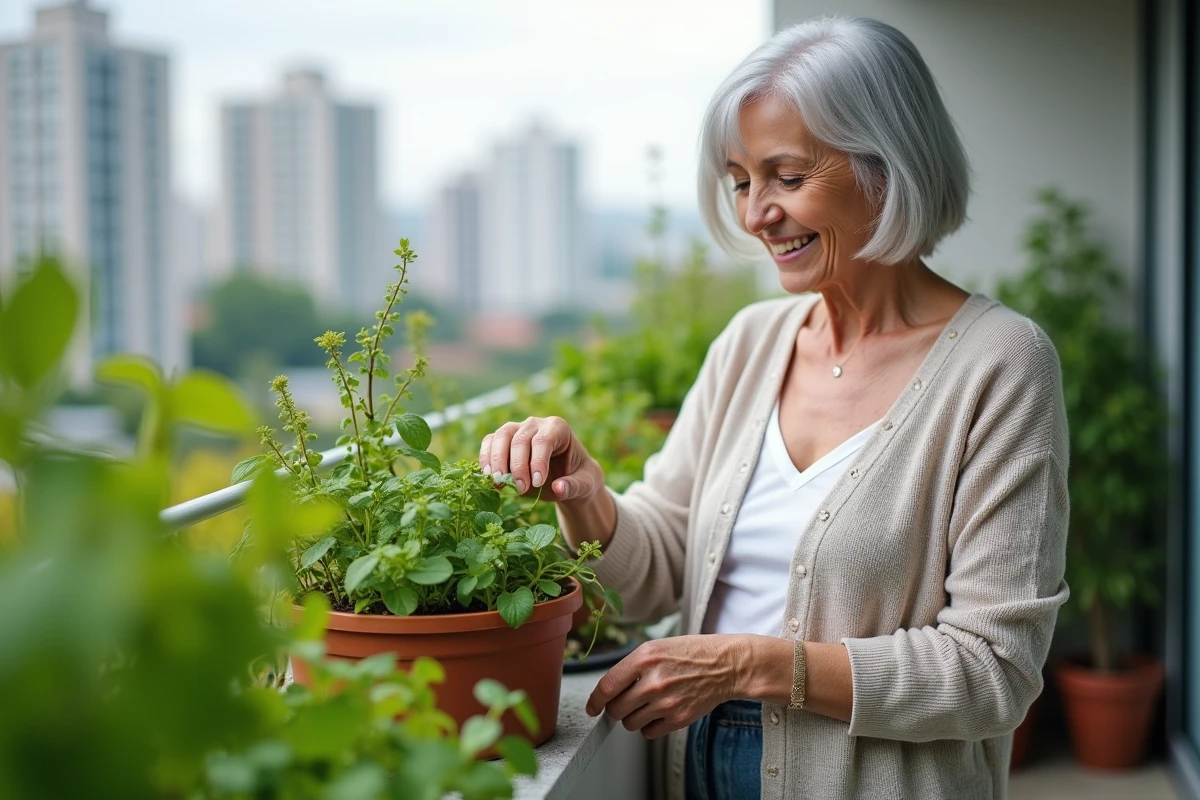
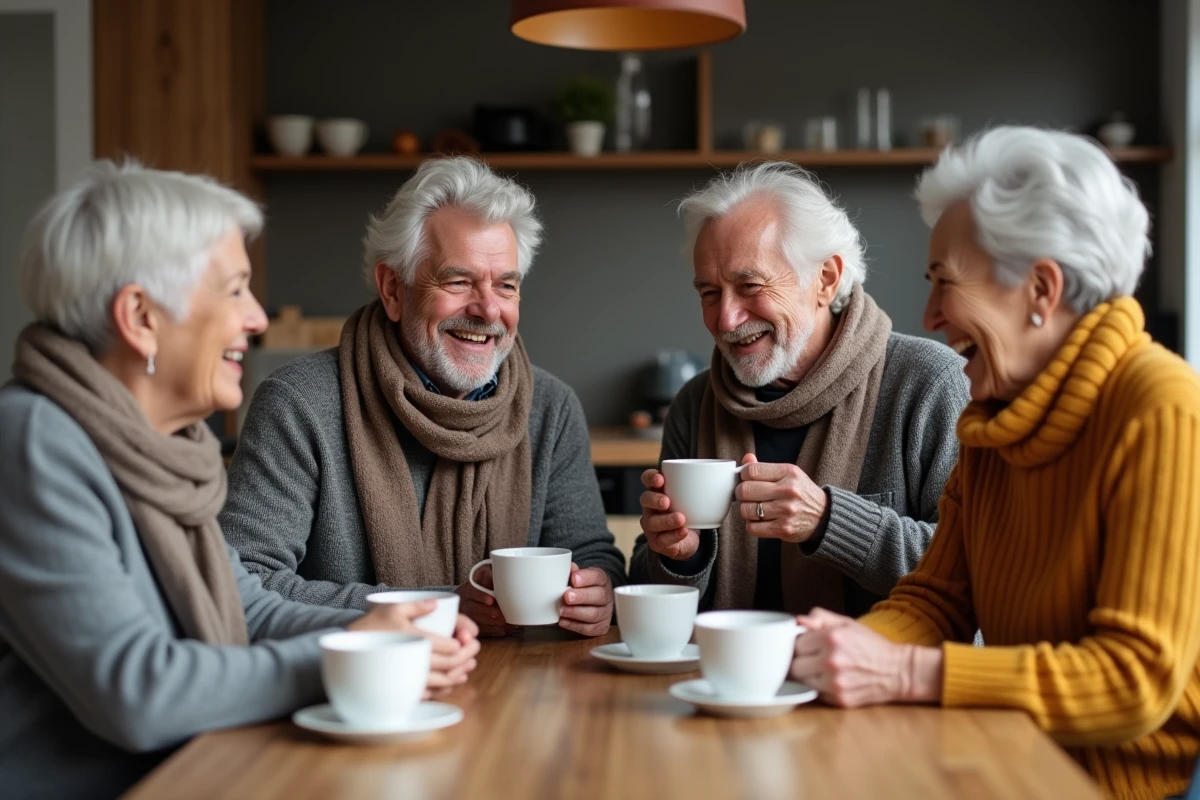
To strengthen social ties, getting involved in associations or volunteering makes a significant difference. Committing to a cause, sharing one’s experience, is a way to find meaning, break isolation, and foster solidarity. Leisure clubs, whether in arts, gardening, or board games, offer numerous opportunities for meetings and exchanges while stimulating conviviality. Maintaining social fabric protects against withdrawal and boosts overall health.
Close ones, family and friends, remain major supports. Sharing precious moments, organizing outings, increasing exchanges, all weave a lasting network of affection. Whether within the family circle or through local communities, collective support encourages and reassures. Exploring new activities, daring to learn at any age, passing on what has been acquired: this is what gives this stage a unique flavor and allows everyone to reinvent their own horizon.
At a time when reference points shift, being an actor in one’s own story has never been more stimulating. The years gained await only one thing: to be lived fully, in line with our renewed desires.