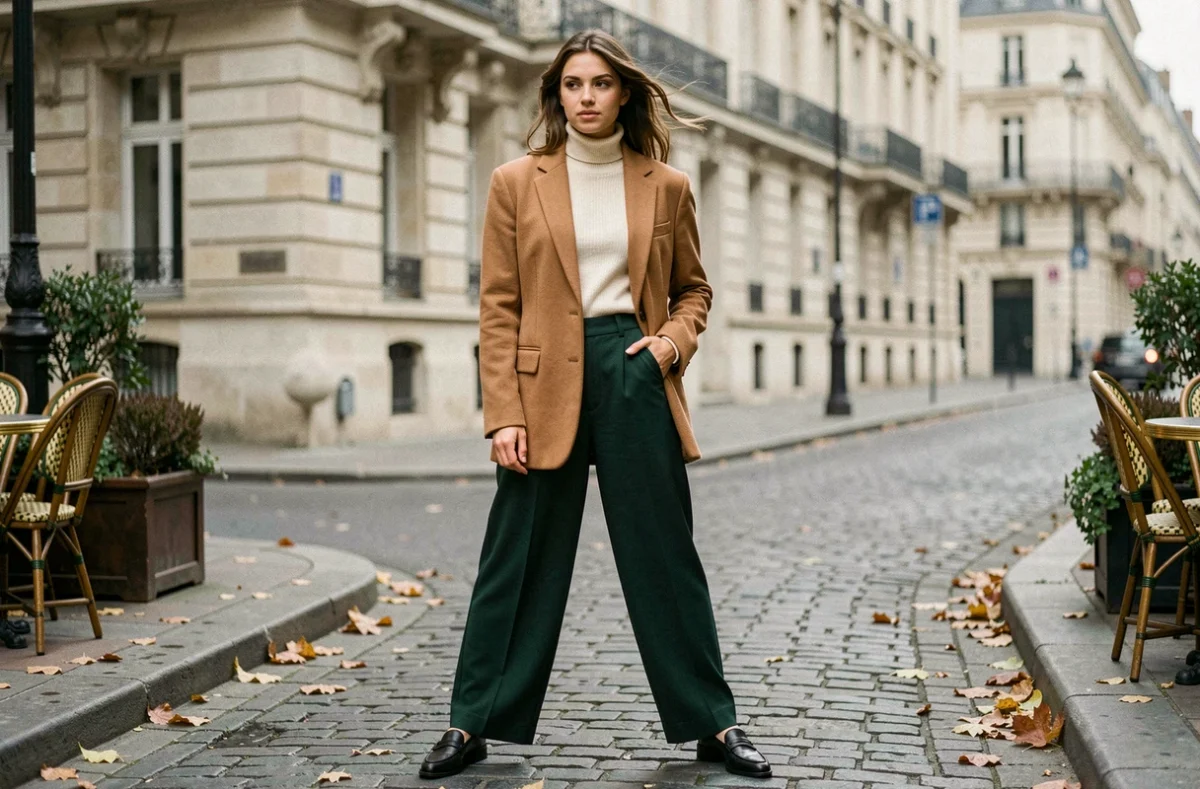
The autumn-winter 2026-2027 fashion is structured around bold silhouettes, vibrant color palettes, and a relationship with clothing that now incorporates traceability as a selection criterion. Recent fashion shows have established precise codes, but their adoption requires a selective reading: not all trends are equal in terms of sustainability over time.
Textured materials and ample volumes: the tactile wardrobe for autumn-winter 2026
The runways for the autumn-winter 2026-2027 season have highlighted what some call the fluffy effect: fluffy textures, thick knits, surfaces that play with relief. Mohair, curly faux fur, felted wool—these materials create volume without rigidity.
This tactile approach changes the construction of silhouettes. A curly wool coat worn over fluid trousers creates a contrast of textures that is enough to structure an outfit without unnecessary accessories. The trend works best when it remains focused on a single strong piece per look.
Ample volumes are also found in the sleeves. Balloon sleeves, oversized raglan sleeves, slightly dropped shoulders: the upper body gains in fullness. To avoid a suit-like effect, the rule of proportion remains simple. A voluminous top calls for a fitted bottom, and vice versa. The most successful silhouettes seen on the Blog Mode site confirm this logic of contrast as the foundation of style this season.
Saturated colors and floral prints: the fashion palette of the season
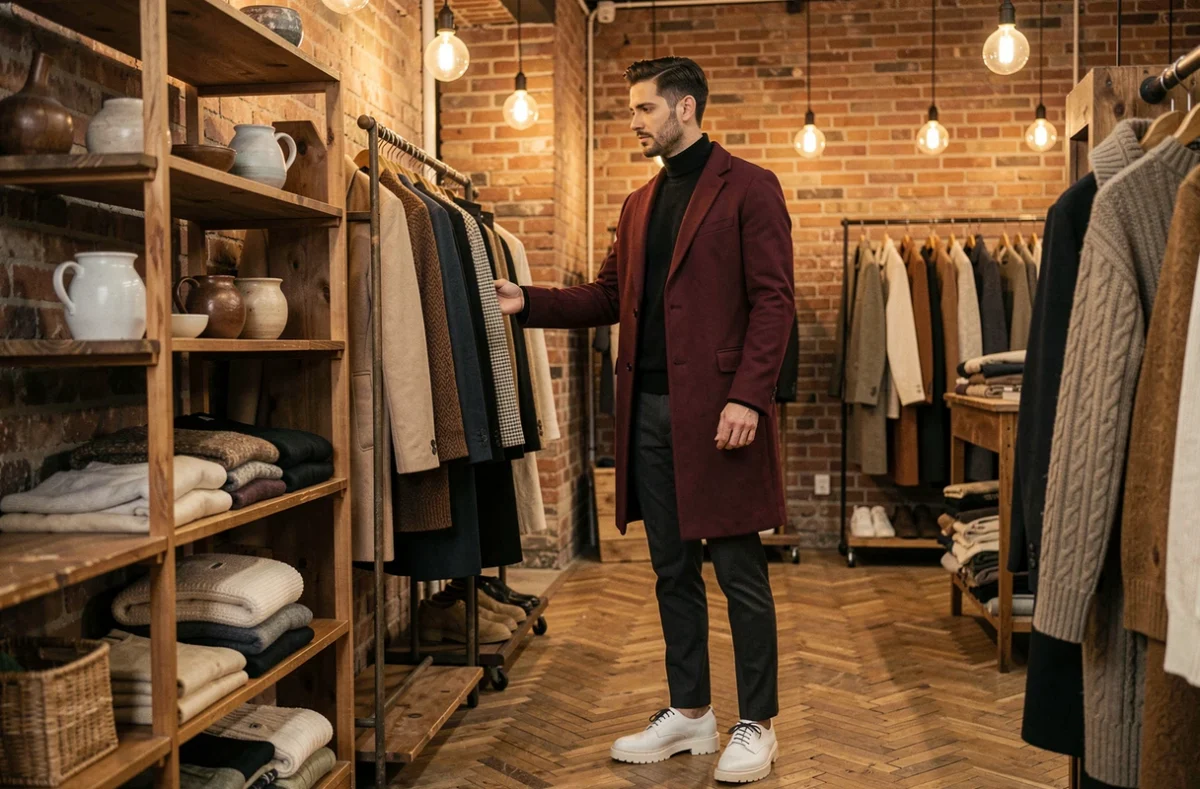
Black remains present, but the season is distinguished by a palette of saturated colors that contrasts with the neutral tones of previous years. The fashion shows showcased deep reds, electric blues, and forest greens worn in total looks or in contrasting color blocks.
The rainbow is not just a runway effect. In practice, integrating a bright color works better when isolated: a red coat over a dark monochrome base, a cobalt blue sweater under a gray blazer. The common mistake is to multiply strong colors in the same outfit, which dilutes the impact instead of enhancing it.
Reimagined floral prints for winter
The flower power version for autumn-winter does not resemble spring patterns. The flowers are larger, the backgrounds darker, the contrasts more pronounced. These prints can be found on midi dresses, pleated skirts, and blouses in fluid fabrics.
Wearing a floral print in winter requires framing: the rest of the outfit benefits from remaining solid and in a tone present in the pattern. This approach avoids visual overload and gives the printed garment the status of a central piece in the look.
Barrel jeans and short cuts: fashion silhouettes to know
The barrel jean, with its loose fit at the thighs tapering at the ankle, is establishing itself as the denim shape of the season. Its barrel silhouette alters the proportions of the lower body and creates a controlled volume, different from both slim and wide-leg styles.
To pair it correctly, here are some concrete guidelines:
- A cropped top or tucked into the waistband to define the waist and avoid a shapeless effect
- Pointed-toe shoes or heeled ankle boots that extend the leg under the tapered hem
- A structured jacket (blazer, perfecto) rather than a loose garment on top, to avoid drowning the silhouette
Short cuts are making a comeback in other pieces. Colorful cropped jackets, shortened trench coats above the hip, cropped bombers: the masterful short styles seen on the runways redefine the classic proportions of the autumn wardrobe. The effect works particularly well with high-waisted trousers, which visually compensate for the shortening of the torso.
Textile traceability and digital passport: what is changing for fashion purchases
Beyond aesthetic trends, the 2026 season marks a regulatory turning point. The destruction of unsold clothing is now prohibited for large companies in the European Union, since July 19, 2026. Medium-sized enterprises will be affected starting in 2030.
This ban makes reuse, repair, and second-hand shopping more relevant in a thoughtful purchasing approach. Buying a quality piece this season also means anticipating its lifespan beyond a trend cycle.
The digital textile passport in preparation
The European Commission is preparing a digital passport for textile products. Specific sector rules for clothing are expected in the fourth quarter of 2027. The anticipated data will concern composition, origin, care instructions, repairability, and the end-of-life of the garment.
The final requirements have not yet been established, but supply chains are beginning to adapt. For consumers, this means that eventually, every purchased garment will come with verifiable information about its production. This context encourages prioritizing brands that communicate transparently about their supply chains.
- Check the exact composition of materials on the label before purchase
- Prefer brands that indicate the country of manufacture and textile certifications
- Consider second-hand shopping as a legitimate purchasing channel, not a fallback option
The autumn-winter 2026-2027 fashion trends combine strong aesthetic proposals (textures, colors, new cuts) with a regulatory framework that pushes the sector towards greater transparency. Adopting a unique style this season involves both choosing a well-proportioned silhouette and paying attention to the manufacturing conditions of the clothing worn.