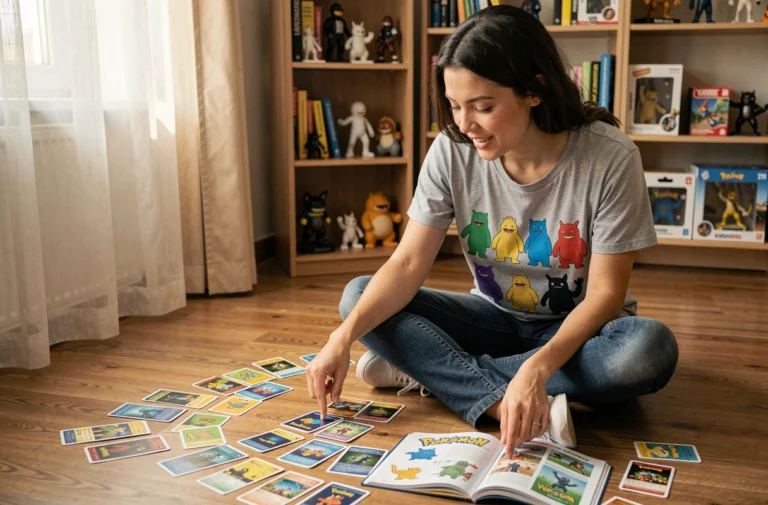
In our hyper-connected world, where instant messages and emails dominate, rediscovering the simple pleasure of sending a card may seem anachronistic. Yet, this gesture, laden with emotion and sincerity, offers an experience incomparable to that of digital exchanges. The card, whether it be a postcard, a greeting card, or a birthday card, is much more than just a piece of paper; it is a vector of emotions, a carefully chosen token, and a testament of affection or gratitude. It is this human dimension that brings us back to the essentials, urging us to value the tangible, the palpable.
The origins of sending cards
Tracing back the origins of sending cards is to dive into a rich and fascinating history. Postcards and other forms of written correspondence have traversed the ages, witnesses to the evolution of communication methods.
- Antiquity: The first signs of written correspondence appear with ancient civilizations, which used clay tablets to convey their messages.
- Middle Ages: The tradition of letter writing expands through commercial and diplomatic exchanges, marking the importance of writing in human relationships.
- Modern Era: With the invention of the printing press and the emergence of the first postal services, the postcard takes flight, becoming a popular means of sharing and communication.
- 20th Century: The industrial revolution and the expansion of the postal network facilitate the sending of cards around the world, democratizing this practice even in the most modest households.
The emotional impact of sending a card
A card to send is much more than just an object. It establishes a strong emotional bond between the sender and the recipient, a connection that transcends words and touches the heart directly.
Receiving a card evokes a unique emotion, rarely matched by an electronic message. The feel of the paper under one’s fingers, the handwritten note, sometimes clumsy but always sincere, evokes an authenticity that pixels cannot reproduce. The care taken in choosing the card, in formulating the wishes, reflects a genuine intention, a desire to share more than just a message, but a part of oneself.
This gesture, which may seem trivial, has the power to revive memories, strengthen bonds, and console hearts. Cards become precious keepsakes, witnesses to shared moments that are often preserved, cherished, and reread over the years.
Choosing the perfect card: an art in itself
Choosing a card to send involves reflection on the message one wishes to convey, but also on the personality of the recipient. This selection is not trivial; it reflects particular care and attention to the other.
- Know the Recipient: What are their favorite colors? Do they like classic or modern patterns? Do they enjoy reading long messages or prefer succinct but impactful words?
- Adapt the Message: A birthday card, a congratulations card, or a comfort card does not carry the same tone. The writing can be joyful, solemn, or soothing depending on the circumstances.
- The Choice of Medium: Recycled paper, textured, adorned with gold or illustrations, the medium itself speaks as much as the words. The touch and visual aspect add a sensory dimension to the reading experience.
- Create Surprise: A card can be accompanied by a photo, a drawing, or a small souvenir. These personalized additions bring a unique and unexpected touch to the gesture.
Occasions to send a card
Every occasion is unique and deserves to be celebrated with particular attention. Sending a card marks a moment, celebrates joy, or softens sorrow. There are countless occasions for this beautiful tradition.
Birthdays, of course, remain a privileged occasion to send a card. However, beyond personal celebrations, traditional festivities like Christmas or Mother’s Day are also opportune moments for this thoughtful gesture.
Significant events such as a wedding, a birth, or a professional success lend themselves to this practice, adding a personal dimension to the congratulations.
And what about more intimate moments, like the sudden desire to remind a loved one that they matter to us, for no apparent reason other than to nurture friendship and love?
In its simplicity, the card then becomes a precious ally in maintaining relationships, a messenger of peace and happiness.