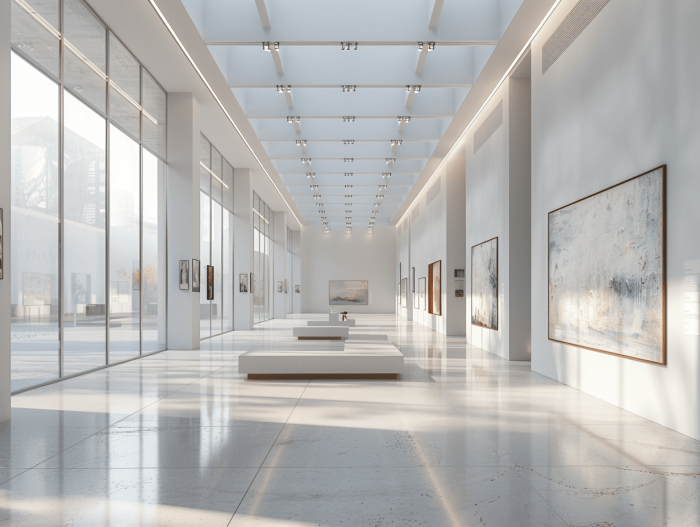
Art galleries in France are undergoing a fascinating transformation. Once reserved for connoisseurs, they are now opening up to a broader audience, attracting visitors from all walks of life. This evolution is marked by a desire to innovate and renew the artistic experience.
Interactive exhibitions and digital installations are multiplying, allowing everyone to immerse themselves in the artwork. Traditional galleries, for their part, are reinventing their spaces to integrate multisensory experiences. This approach aims to democratize art and evoke wonder, while paying tribute to both emerging and established talents.
The New Technologies Serving Art Galleries
The world of French art galleries and innovative initiatives is being reshaped through the integration of new technologies. Industry players, such as WILLA, Musair, Artpoint, and VIBZ, are making concerted efforts to offer unique and interactive experiences to visitors.
– WILLA plays a key role in promoting ten startups in the Art Tech field. These young companies bring innovative solutions that are transforming the artistic landscape.
– Among them, Musair, a web application, allows users to discover artworks through their emotions, making the experience more immersive and personal.
– On the other hand, Artpoint stands out by creating digital artistic experiences for public spaces. By combining art and technology, Artpoint aims to make art accessible to all while enriching the urban living environment. This initiative aligns with a desire for the democratization of art and continuous innovation.
– VIBZ offers an app dedicated to learning dance, demonstrating that new technologies can also serve less conventional artistic disciplines. This initiative highlights the diversity of possible approaches to integrating technology into art.
French art galleries are adapting and evolving to meet the expectations of an increasingly connected audience eager for interactive experiences. Through these initiatives, they are managing to reinvent their model while preserving their artistic essence.
Innovative Initiatives from French Galleries
French galleries stand out with bold initiatives aimed at renewing the artistic experience. Art roomer is a rental site for artists’ spaces, founded by Claire and Mathias Even Wismer. This platform allows creators to easily find suitable locations for exhibiting or working.
Virtuosi Kids offers at-home musical awakening for children. Founders Ivette Géraud and Ricardo aim to introduce young children to music by making learning fun and accessible. This innovative approach helps raise awareness among children from a young age about the musical universe.
Accessible Galleries and Administrative Simplification
Accessibility is also at the heart of some galleries’ concerns. Esther & Paul, founded by Esther Korman, aims to be an art gallery accessible to all. By democratizing access to art, this gallery allows a wider audience to discover and acquire artworks.
Tada, driven by Delphine Toutain, simplifies the daily administrative tasks of artists. By providing practical and tailored tools, Tada enables them to fully focus on their artistic creation.
- KAZoART: online art gallery, founded by Mathilde Le Roy
- DAYA: reference platform for dancers, founded by Irma Abdallah and Aïda Berrada
- MAD: accelerator for independent artists, led by Lise Yacoub
These initiatives reflect the richness and diversity of innovation in the art gallery sector in France. Market players are committed to continuously rethinking their models to better meet the needs of artists and the public.
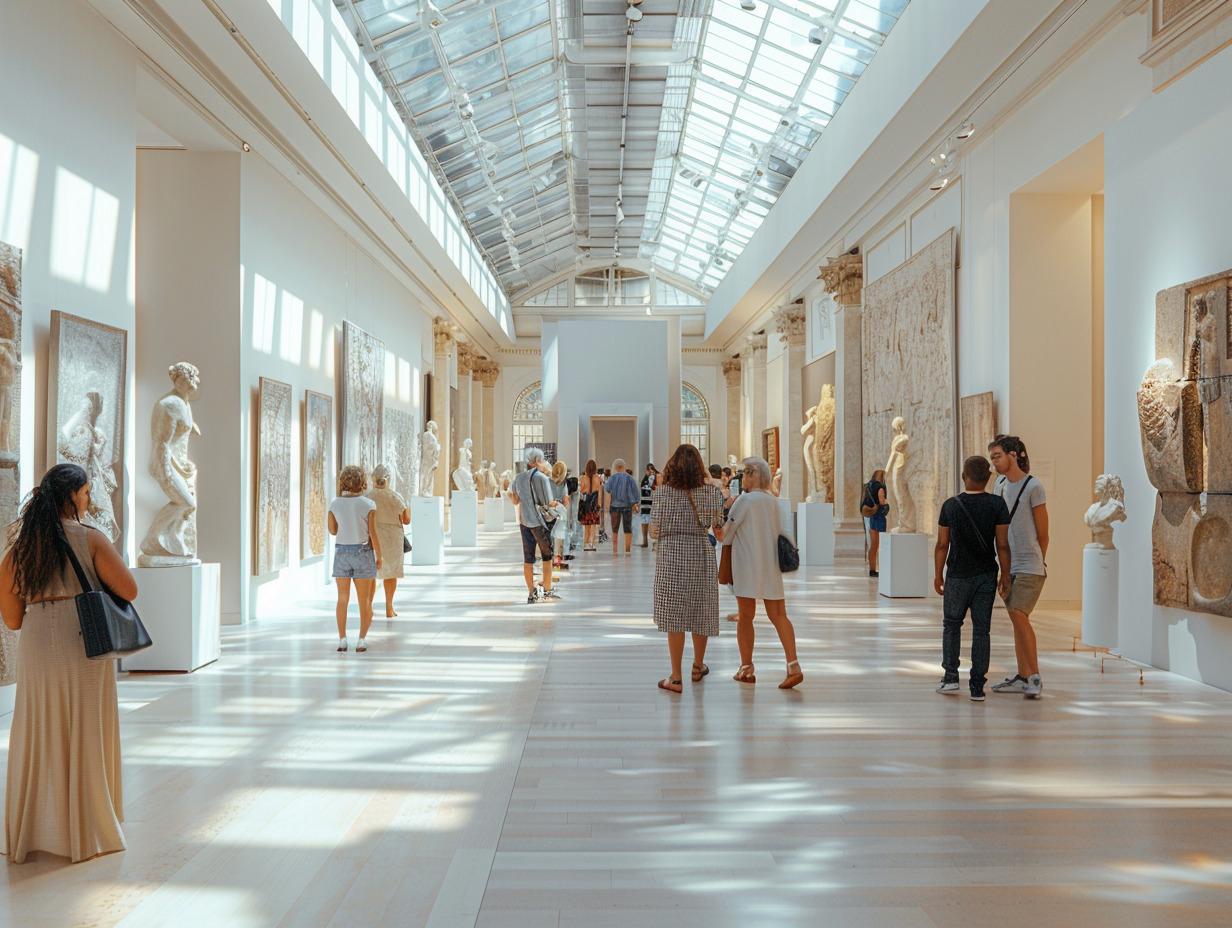
The Impact of Creativity on the Art Market in France
The art market in France is undergoing a profound transformation thanks to creativity and innovation. UNESCO, by declaring April 15 as World Art Day, highlights the importance of promoting artistic initiatives. This global event enhances the visibility of artists and fosters their recognition on an international scale.
The Galeries Lafayette, famous for their support of art and culture, exemplify this dynamic. By regularly hosting exhibitions and collaborating with contemporary artists, they contribute to the evolution of the art market in France. This approach aims to bring art closer to the general public and encourage the discovery of new talents.
The New Technologies Serving Art Galleries
New technologies play a fundamental role in this transformation. WILLA promotes ten startups in the Art Tech field, illustrating the rise of technological innovations in the service of art. Among them, Musair offers a web application that allows users to discover art through emotions, making the artistic experience more immersive and personal.
Meanwhile, Artpoint creates digital artistic experiences for public spaces, rethinking how art is presented and consumed. VIBZ, an app dedicated to learning dance, expands access to artistic practice by making it more interactive and accessible.
These initiatives demonstrate how technological innovation and creativity can energize the art market in France, making art more accessible and constantly renewing the modes of exhibition and interaction with the public.