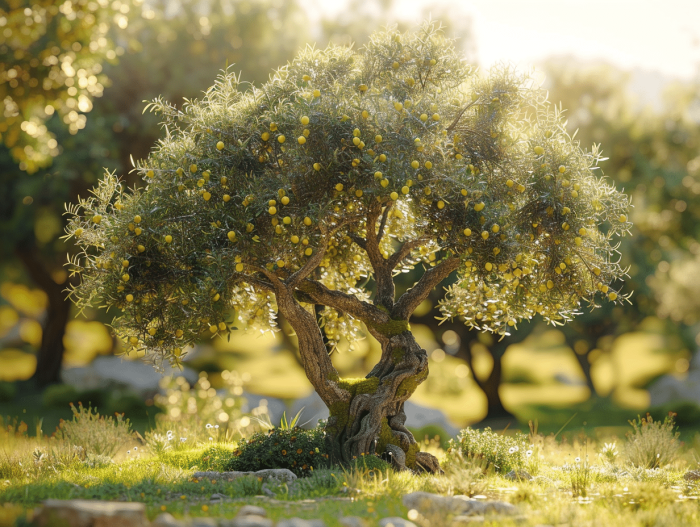
After undergoing severe pruning, an olive tree requires special attention to recover and thrive. These trees, symbols of longevity and resilience, can, however, be weakened by significant cutting. They need appropriate care to encourage their recovery.
Proper hydration is essential. Be sure to water regularly, especially during dry periods. Adding mulch around the base can help retain moisture and protect the roots. Moderate fertilization, with a potassium and phosphorus-rich fertilizer, will stimulate the growth of new shoots and strengthen the tree.
Understanding the impacts and objectives of severe pruning of the olive tree
The severe pruning of an olive tree, although sometimes perceived as radical, is an essential agricultural practice to revitalize old trees. The olive tree, this iconic tree of the Mediterranean basin, is known for its resilience and longevity. It may require drastic intervention to maintain or increase its olive production.
Objectives of severe pruning
- Revitalization of the tree: this practice aims to stimulate the regeneration of the olive tree by removing dead or diseased branches.
- Increased production: by reducing the leaf mass, the tree can concentrate its resources on producing new shoots and olives.
Impacts on the olive tree
The regeneration of an olive tree after severe pruning depends on several factors: the age of the tree, climatic conditions, and post-pruning care. The vigorous new shoots, called ‘suckers’, are essential for regrowth. Severe pruning triggers the formation of these suckers, which will play a fundamental role in the regeneration and future growth of the tree.
| Factor | Impact |
|---|---|
| Age of the olive tree | Younger trees regenerate more quickly. |
| Climatic conditions | A favorable climate accelerates regrowth. |
| Post-pruning care | Proper care ensures better recovery. |
Farmers practice this technique to extend the productive life of their olive trees and ensure a bountiful harvest. These interventions, although they may seem drastic, are often necessary to maintain the vitality of these emblematic trees of our Mediterranean heritage.
Strategies and care to ensure survival and growth after pruning
The post-pruning phase is delicate for your olive tree. Appropriate care will determine the tree’s ability to regenerate and grow. Take a methodical approach by following a few essential steps.
Post-pruning care
- Healing products: Apply these products to the pruning wounds to protect the tree from diseases and pests. They promote quick healing and reduce the risk of infection.
- Fertilizers: Use suitable fertilizers to provide the necessary nutrients for regrowth. A balanced supply of nitrogen, phosphorus, and potassium is fundamental to support the development of new shoots.
Watering management
Proper watering is vital for the regeneration of the olive tree after severe pruning. Maintain consistent moisture without saturating the soil. Drip irrigation can be an effective solution to deliver the necessary water without excess.
Protection against climatic conditions
Climatic conditions can greatly influence regeneration. Protect the tree from extreme temperatures and strong winds that could damage the new shoots. Use windbreak nets or temporary structures to mitigate these effects.
Monitoring and regular maintenance
Regularly inspect your olive tree for any anomalies. Vigilance is essential to spot signs of diseases or pest infestations. Act quickly if necessary to ensure the survival and growth of your tree after this drastic intervention.
These strategies, combined with careful observation, will allow your olive tree to recover from severe pruning and ensure vigorous growth.