Gris Artense or Gris Sélénum on a Peugeot 308: this question regularly comes up on forums and at dealerships. Both shades share the same price in the configurator, which immediately eliminates the budget argument. The choice then relies on visual, practical, and resale criteria that this article details point by point.
Gris Artense and Gris Sélénum on the 308: comparative table of characteristics
| Criterion | Gris Artense (M0F3) | Gris Sélénum (M0F4) |
|---|---|---|
| Type of shade | Warm metallic gray | Cool metallic gray |
| Dominant | Slightly brown/beige reflections | Blue/silver reflections |
| Appearance depending on light | Varies little, remains warm | Changes significantly between sunny and overcast conditions |
| Visibility of dirt | Hides light dust well | Shows water marks more |
| Price supplement (multi-brand dealers) | 810 euros | 810 euros |
| Availability 2026 (sedan, SW, e-308) | Yes, all body styles | Yes, all body styles |
The table confirms that the difference does not lie in price or availability. Both grays have been included together in the color chart for several model years, indicating a steady customer demand for both.
To better understand the colors gris artense and gris selenium on the 308, one must consider how each shade reacts to natural light and the specific lines of the bodywork.
Visual rendering of Gris Artense according to the finishes of the 308
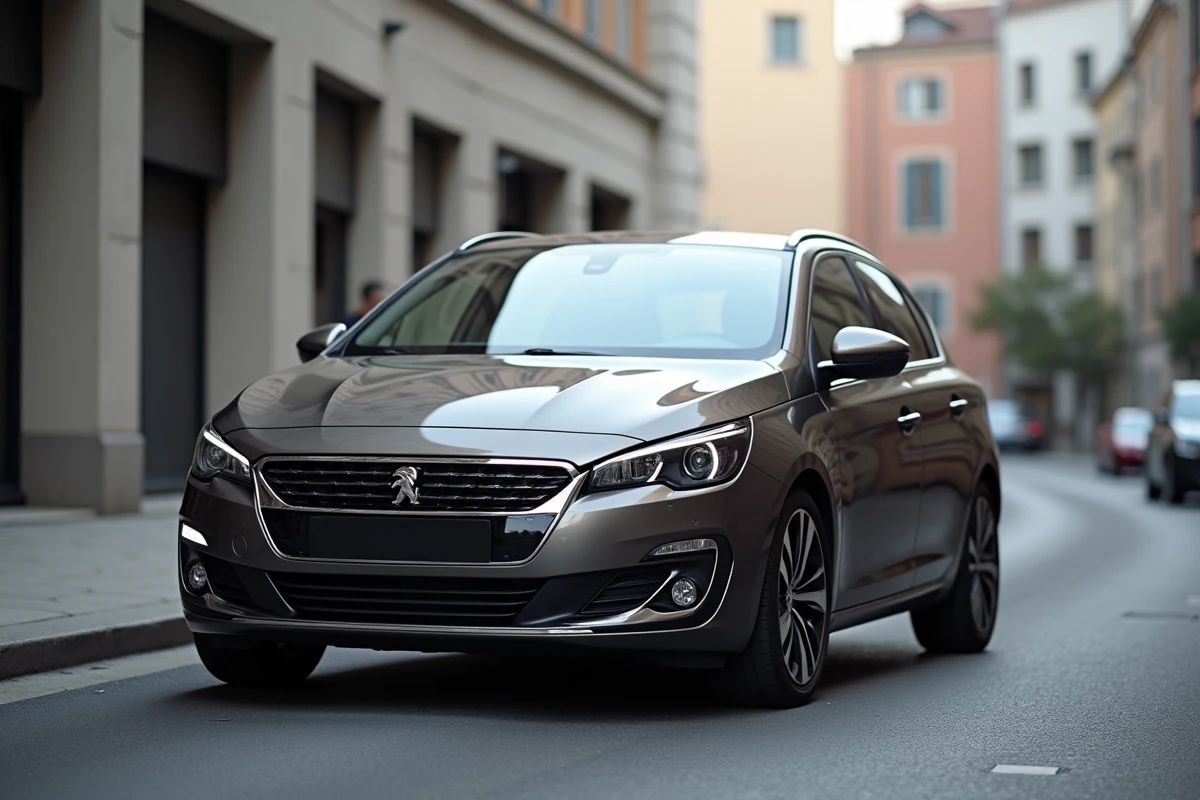
Gris Artense derives its uniqueness from its warm dominant micro-pigments. In full sunlight, the body takes on a slightly brown-golden appearance that softens the sharp edges of Peugeot’s design. Under an overcast sky, the shade resembles a classic anthracite gray, more discreet.
This relative stability appeals to drivers looking for a predictable color. Gris Artense does not surprise: it remains understated, regardless of the weather.
Association with the black roof and wheels
On the GT and GT Exclusive trims, the optional black roof creates a sharp contrast with Gris Artense. The warm reflections of the body stand out against the matte black of the roof, highlighting the downward line of the 308’s roof. The two-tone alloy wheels (diamond gray and black) naturally match this shade without creating a visual break.
Visual rendering of Gris Sélénum and premium perception
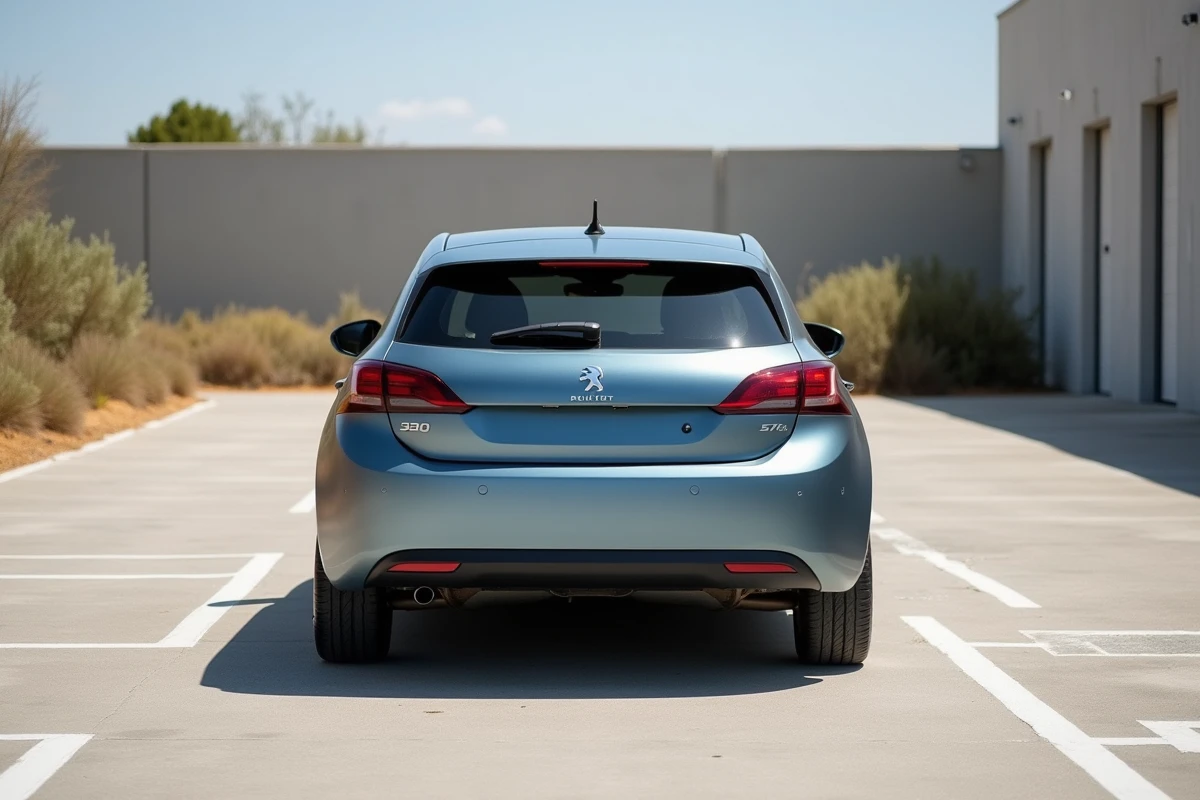
Gris Sélénum operates on a different register. Its cool pigments lean towards blue and silver, giving the 308 a more technological look. In direct light, the body reflects almost metallic glints. In gray weather, the shade blends more into the environment.
Sélénum radically changes appearance depending on lighting, which can either attract or confuse. It is a gray that lives, that moves, and that highlights the taut surfaces of the hood and doors.
Consistency with shiny black elements
On recent 308s, Peugeot has increased the number of shiny black inserts (grille surrounds, roof bars on the SW). Gris Sélénum, with its cool reflections, amplifies the contrast with these elements. The combination enhances the technological and premium perception of the vehicle, an aspect that general content on the colors of the 308 does not explicitly address.
Maintenance and resale: concrete criteria for choosing your gray on the 308
Beyond aesthetics, two practical factors guide the choice between these two grays.
Behavior against dirt
Gris Artense, darker and warmer, hides dust and light marks better. Owners who space out their washes find this advantageous in daily use. Gris Sélénum, lighter and more reflective, makes water stains and mud splashes more visible.
- Fine dust: advantage Artense, the warm shade visually absorbs light deposits
- Water and limescale marks: advantage Artense, Sélénum reveals them on its silver reflections
- Micro-scratches: slight advantage Sélénum, whose cool reflections soften superficial scratches in indirect light
- Bird droppings and resins: comparable impact, both metallic shades require quick cleaning to avoid marks
Impact on resale value
Gray remains the most sought-after color in the used car market in France, across all brands. Both grays of the 308 retain a comparable resale value, precisely because they both meet the dominant demand from second-hand buyers. A metallic gray vehicle is easier to negotiate than a bright or atypical shade.
On the other hand, Gris Artense, perceived as more classic, can reassure a second-hand buyer looking for neutrality. Sélénum, more distinctive, attracts a slightly different profile, sensitive to contemporary design.
Peugeot 308 gray: summary of use cases
- Mainly urban driving with spaced washes: Gris Artense better tolerates everyday dirt
- Seeking a modern look, association with black aesthetic packs: Gris Sélénum makes better use of contrasts
- Quick resale (less than three years): both shades are equal, metallic gray being the safe bet in the market
- Hesitation between the two without a marked preference: seeing the vehicle outdoors, in natural light, remains the only reliable test
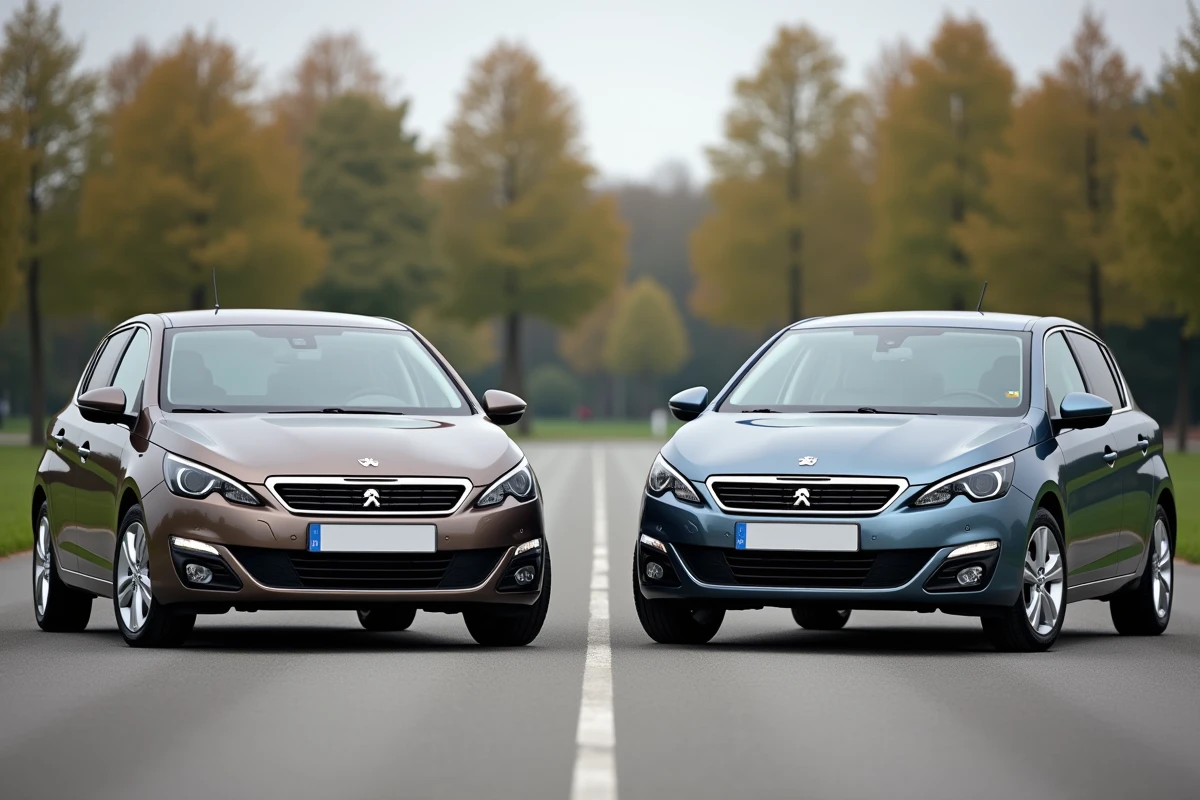
The fact that Peugeot has maintained these two metallic grays in the same color chart for several generations confirms that each caters to a distinct buyer profile. Gris Artense plays the card of lasting sobriety, while Sélénum offers controlled expressiveness. The difference is better perceived in a parking lot than in a photo, and it is often at the dealership, facing two 308s side by side, that the decision is made.